Your Phone Is a Graveyard of Conversations You're Too Emotionally Exhausted to Finish
The Notification Badge of Shame
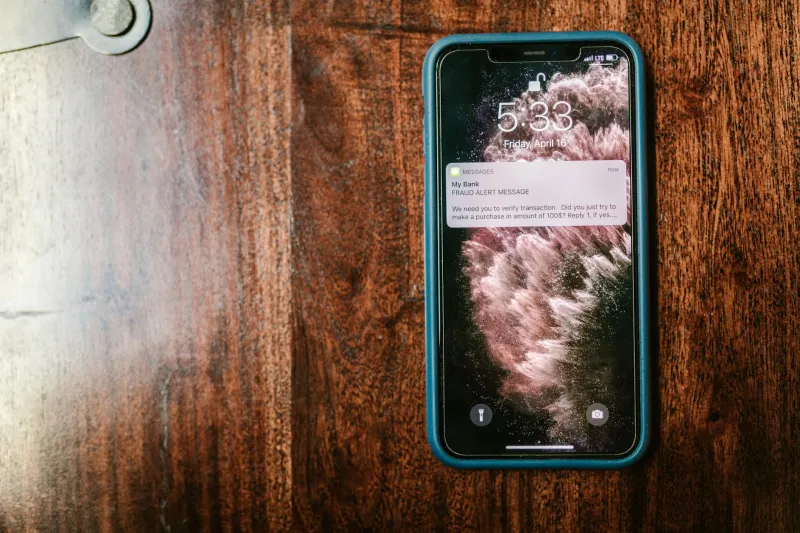
That little red bubble on your messages app has become a permanent fixture, like a digital scarlet letter announcing your social failures to anyone who glances at your phone. Fourteen unread messages. Each one a small monument to your inability to exist as a functional human being in the year 2024.
You know exactly what's in there without looking: Sarah asking if you want to grab coffee (sent Tuesday), your mom wondering if you got her forwarded article about vitamin D (sent Monday), and Jake's three-part dissertation about his dating life that requires more emotional labor than you currently have in stock. Every notification is a tiny debt collector knocking on the door of your social energy account, which has been overdrawn since approximately 2019.
 Photo: Jake, via archzine.fr
 Photo: Sarah, via i.pinimg.com
The Hierarchy of Avoidance
Not all unread messages are created equal. You've developed an intricate ranking system that would impress a Pentagon strategist. At the bottom: simple yes/no questions that somehow feel impossible to answer. "Want to see a movie Friday?" should require exactly zero mental energy, but your brain treats it like you're negotiating a peace treaty.
Mid-tier: messages that require actual thoughtfulness. Your friend's breakup update, your cousin's baby photos, anything that starts with "I've been thinking..." These sit in your inbox like homework assignments you keep meaning to do properly, so you just... don't do them at all.
Top-tier nightmare fuel: the messages that require you to make decisions about your own life. "Are you free for my birthday party next month?" "Do you want to be in our wedding?" "Should we book that trip we talked about?" These messages don't just want a response—they want you to have your life together enough to commit to future plans. The audacity.
The Sophisticated Art of Excuse Architecture
You've become a master craftsman of justification, building elaborate mental structures to support your communication failures. "I'll respond when I can give it the attention it deserves" is your go-to foundation, a beautiful piece of self-deception that makes procrastination sound noble.
Then there's the classic "I need to be in the right headspace for this conversation," which translates to "I need to feel like a fully functional adult human, and that hasn't happened since the Obama administration." You're waiting for some mythical future version of yourself who has infinite patience and perfect emotional regulation. Spoiler alert: she's not coming.
The timing excuse is particularly sophisticated: "If I respond now, it'll look like I'm always on my phone." Because apparently there's some perfect response window that demonstrates the ideal balance of availability and mysterious busy-ness. Too fast makes you seem desperate. Too slow makes you seem rude. The Goldilocks zone of message response timing exists somewhere in your imagination, along with your motivation to meal prep and your ability to keep plants alive.
The Accidental Like Incident
Nothing exposes your text avoidance quite like accidentally interacting with someone you've been ghosting on social media. You're scrolling through Instagram at 2 AM (as one does), and suddenly your thumb betrays you. You've liked Sarah's story about her new apartment—the same Sarah whose coffee invitation has been decomposing in your inbox for six days.
The panic is immediate and primal. You've just announced to the world that you're alive, online, and actively consuming content while simultaneously being too overwhelmed to respond to basic human communication. It's like being caught eating takeout while telling your friends you're too sick to hang out.
Now you're trapped in a new layer of social purgatory. Do you finally respond to her text and acknowledge the awkwardness? Do you pretend the Instagram interaction never happened? Do you fake your own death and start over in a new city? All options seem equally reasonable at 2:17 AM.
The Compound Interest of Social Debt
The longer you wait, the worse it gets. What started as a simple "How was your weekend?" has now accumulated enough social interest to require a formal explanation. You can't just say "Good!" anymore—that ship sailed when you let it sit for nine days. Now you owe a detailed life update, an apology for the delay, and probably a sacrifice to the friendship gods.
Your delayed response has transformed from casual rudeness into what feels like a personal slight. You're not just answering a question anymore; you're proving that you value the relationship. No pressure.
Meanwhile, new messages keep arriving, creating a traffic jam of communication that would make the 405 freeway jealous. Each new notification makes the old ones feel more ancient and impossible to address. You're basically running a museum of abandoned conversations at this point.
The Great Excuse Recycling Program
You've been "so busy" for eleven consecutive days, which is mathematically impressive if not entirely believable. Your busy-ness has achieved a supernatural quality, transcending normal human limitations of time and space. You're simultaneously too busy to respond to texts but somehow available to watch seventeen TikToks about cats who think they're dogs.
The beauty of the busy excuse is its universal applicability. Birthday party invitation? So busy. Work happy hour? Absolutely swamped. Coffee date with your best friend? Drowning in responsibilities. The excuse has become a Swiss Army knife of social avoidance, suitable for every occasion and completely impossible to verify.
Your friends have started to notice the pattern, but they're too polite to call you out directly. Instead, they've begun using the same excuse back at you, creating a beautiful ecosystem of mutual avoidance where everyone is perpetually "crazy busy" and no one ever has to do anything they don't want to do.
The Inevitable Surrender
Eventually, something has to give. Usually, it's your standards. You finally respond with a message so generic it could have been generated by AI: "Sorry, just saw this! Things have been crazy. Hope you're well!" It's the communication equivalent of store-brand cereal—technically fulfills the requirement but satisfies no one.
Or you go the other direction and craft a response so elaborate and apologetic that it's clearly overcompensating for your previous silence. "I'm so sorry I'm just seeing this! I've been completely overwhelmed with work and life stuff, but that's no excuse for being a terrible friend. How are you? Tell me everything! I miss you!" Now you've created new pressure to maintain this level of enthusiasm in all future communications.
The truth is, your phone isn't just a communication device—it's a portable anxiety generator that happens to also take photos. Those fourteen unread messages aren't just texts; they're tiny representatives of your inability to exist seamlessly in modern social structures. And honestly? The fact that everyone else seems to be struggling with the exact same thing suggests that maybe the system is broken, not you.
But until someone invents a socially acceptable way to respond to messages with nothing but crying-laughing emojis, you'll keep building your beautiful excuse empire, one "just saw this!" at a time.