Welcome to the Parking Lot Hunger Games: Where Shopping Becomes Psychological Warfare
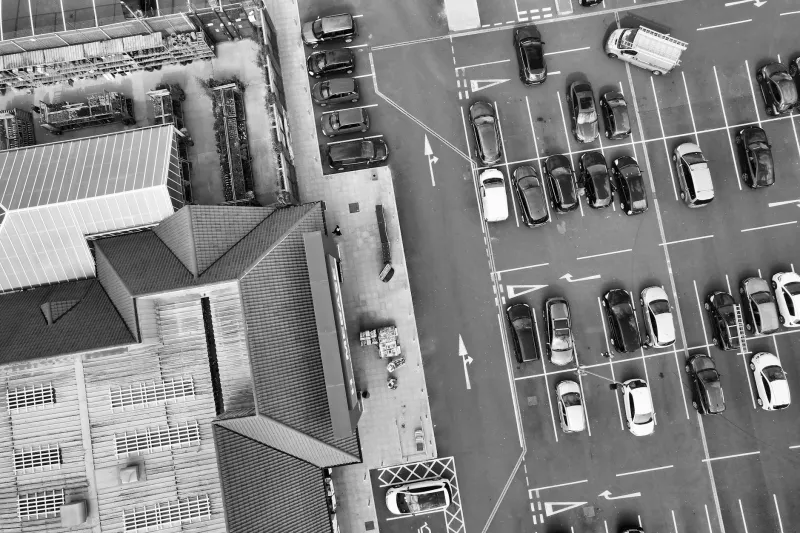
The Opening Ceremony of Suburban Combat
You circle the Target parking lot like a shark sensing blood in the water, your turn signal blinking with the desperate rhythm of someone who's already been here for eight minutes. This isn't shopping anymore—this is survival. You've entered the Thunderdome of suburban convenience, where soccer moms become gladiators and the elderly couple taking their sweet time loading groceries into their Honda Civic are the final boss of your retail quest.
 Photo: Honda Civic, via www.hna.de
The rules are unwritten but universally understood. You must claim your territory through a complex system of vehicular body language that would make a UN diplomat proud. The slow creep forward. The meaningful eye contact through windshields. The passive-aggressive inch-by-inch advance that signals your intent without crossing into actual harassment. Welcome to the most civilized form of stalking ever invented.
The Sacred Art of Spot Surveillance
You've identified your target: a woman with a full cart heading toward a prime spot in the third row. Not too close to the store (those spots are mythical), not too far (you have standards), and—most importantly—wide enough that you won't have to perform automotive yoga just to get out of your car.
Now begins the delicate dance of claiming without appearing desperate. You position your vehicle at a respectful distance, hazards blinking like a beacon of polite determination. You're not following her, you're simply... coincidentally traveling in the same direction at the exact speed of someone pushing a shopping cart full of paper towels and regret.
Other drivers begin to notice your strategy. A Honda Pilot starts circling from the opposite direction, clearly hoping to swoop in if your target abandons her spot. This is no longer about parking—this is about honor. You were here first, you've invested the time, and by God, you've earned the right to wait behind someone who's apparently conducting a full inventory of their purchases before deciding whether to leave.
The Betrayal of the Cart Return
Your target reaches her car, and you settle in for what you assume will be a reasonable 90-second transition. She loads her bags with the efficiency of someone who's done this before. She returns her cart to the designated area like a responsible human being. She gets in her car. She starts the engine.
And then... nothing.
She's just sitting there. Checking her phone. Adjusting her mirrors. Having what appears to be a full-blown life crisis in the front seat of her Subaru Outback. You've been holding up traffic for four minutes now, trapped in a commitment you can't abandon without looking like a quitter, but staying makes you look like a creep.
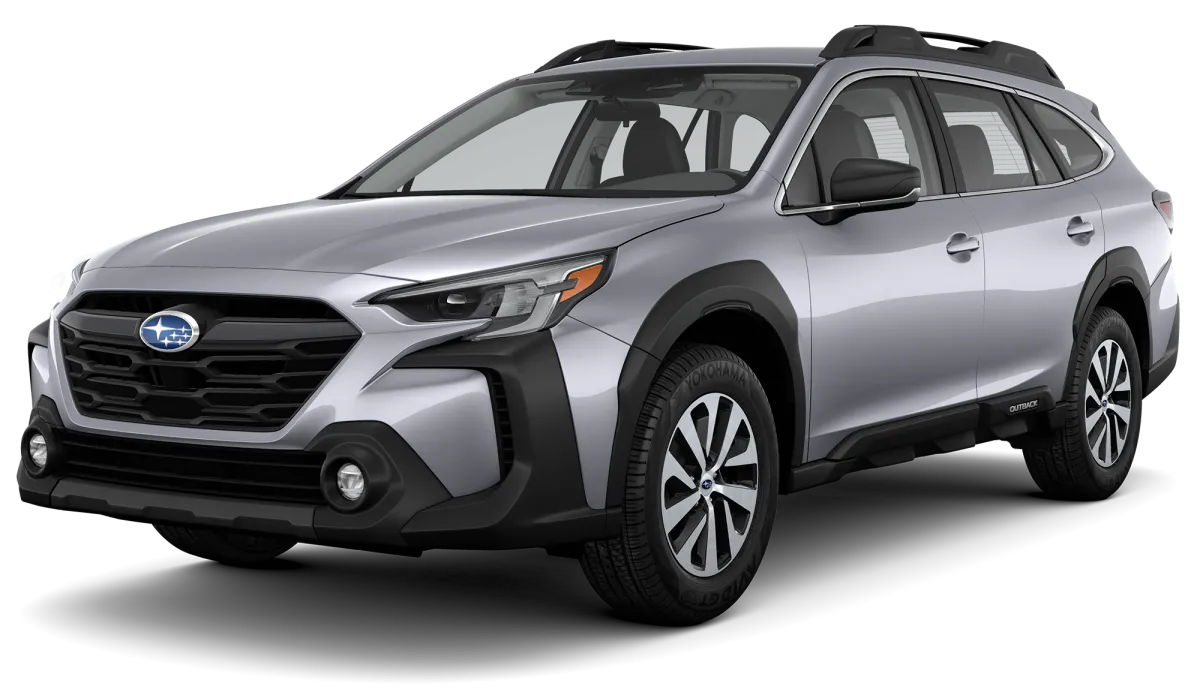 Photo: Subaru Outback, via images.dealer.com
Behind you, a line of cars has formed. You're no longer just a person trying to park—you're the leader of a parking lot conga line, responsible for the hopes and dreams of six other drivers who've put their faith in your target selection abilities. The pressure is immense.
The Strategic Pivot Maneuver
Desperation breeds innovation. You begin to expand your search parameters, developing the peripheral vision of a hawk scanning for any sign of movement. Someone three rows over is walking toward their car with purpose. You abandon your original target (after five and a half minutes of investment!) and execute a tactical retreat that would make a military strategist weep with pride.
The race is on. You navigate through the parking lot like you're competing in some twisted version of Mario Kart, dodging pedestrians and shopping carts while maintaining the appearance of casual driving. Your new target is loading their car with the urgency of someone who has somewhere important to be. This is it. This is your moment.
But as you round the corner, you discover your nemesis: the Honda Pilot from earlier, sitting smugly with their blinker on, having apparently identified the same opportunity. You're too late. You've been out-maneuvered by someone with better parking lot intelligence than you.
The Psychology of Sunk Cost Parking
At this point, you've been in this parking lot longer than you plan to spend in the actual store. You've burned more gas circling the lot than you'll save by shopping here instead of the more expensive place with better parking. But you can't leave now—that would mean admitting defeat. You've invested too much time and emotional energy to walk away empty-handed.
You begin to rationalize increasingly distant parking spots. "The walk will be good exercise," you tell yourself, as if the extra thirty yards will somehow compensate for the fact that you drove here instead of walking from your house six blocks away. "I need the steps for my fitness tracker anyway."
The spot you eventually settle for is so far from the store entrance that you can barely see the building. You could have parked here immediately upon arrival, but that would have required the kind of rational thinking that has no place in parking lot warfare. You needed to earn this spot through suffering and strategic failure.
The Unspoken Rules of Engagement
Every regular parking lot warrior knows the code. You don't steal spots from people who've been obviously waiting. You don't park so close to someone that they need to enter their car through the sunroof. You return your cart to the designated area, because we live in a society, damn it.
But there are gray areas that test the limits of parking lot morality. Is it acceptable to follow someone to their car if they're walking with purpose? Can you claim a spot by standing in it while your partner circles the lot? What's the statute of limitations on a blinker-based spot claim?
These questions have sparked more suburban feuds than property line disputes and HOA violations combined. Parking lot etiquette is the last frontier of American social contract negotiation, where the stakes are low but the emotions run surprisingly high.
The Humbling Realization
As you finally walk across the vast expanse of asphalt toward the store entrance, you realize the absurdity of what just transpired. You spent more mental energy on parking strategy than you do on most actual important decisions. You've just engaged in a complex social ritual that would be completely baffling to anyone from a culture with functional public transportation.
You've turned a simple errand into an epic quest, complete with villains, allies, and moral dilemmas. You've experienced genuine emotions—frustration, hope, betrayal, triumph—over the temporary placement of your vehicle on a patch of painted concrete.
But here's the thing: tomorrow you'll do it all again. Because somewhere in your lizard brain, the perfect parking spot represents more than convenience. It's validation. It's a small victory in a world full of small defeats. It's proof that sometimes, if you're patient enough and strategic enough and just a little bit lucky, things can work out exactly the way you hoped.
And honestly? In a world where most things feel completely outside your control, the ability to secure a decent parking spot feels like wielding actual power. Even if that power is completely imaginary and the stakes couldn't be lower.
So here's to the parking lot warriors, the suburban strategists, the people who turn every shopping trip into a masterclass in human psychology and vehicular diplomacy. May your spots be close, your cart returns convenient, and your rival drivers forever stuck behind someone having an existential crisis in their Subaru.