The Intoxicating Rush of Potential
There's a specific kind of high that comes from buying hobby supplies—it's like purchasing a completely new version of yourself. One minute you're a regular person scrolling Amazon, and the next minute you're envisioning yourself as a pottery wizard, throwing clay like some kind of ceramic superhero while your friends marvel at your unexpected artistic depth.
The shopping phase feels indistinguishable from actually doing the hobby. Your brain releases the same satisfaction chemicals whether you're researching the perfect watercolor set or actually painting with it. In fact, the research phase might be more rewarding because it's all potential and no disappointing reality. You're not a bad painter yet—you're just someone who owns really good paints.
The Museum of Good Intentions
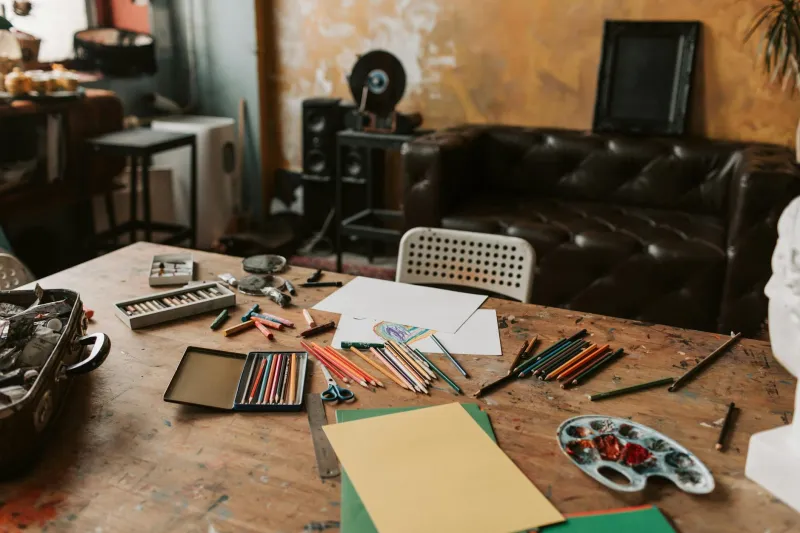
Walk through your living space and you'll find a carefully curated collection of aspirational equipment. There's the bread-making corner (flour, yeast, and a Dutch oven that cost more than your rent), the fitness zone (resistance bands still in packaging, foam roller that doubles as expensive furniture), and the creative sector (sketchbooks with one drawing of a wonky cat from 2019).
Each item represents a specific moment when you were absolutely convinced that this would be the thing that transformed you into the person you've always wanted to be. The ukulele was going to make you the charming, musical friend. The calligraphy set was going to turn you into someone who writes beautiful thank-you notes instead of sending texts that say "thx."
Your apartment has become a monument to personal reinvention attempts, like an archaeological dig of your various identity crises.
The Economics of Self-Delusion
Here's where the math gets truly beautiful: you've spent more money on hobby supplies than most people spend on their actual hobbies. The unused sewing machine cost more per hour of use than hiring a personal tailor. The home brewing kit has a per-beer cost that makes craft brewery prices look like a bargain.
But somehow, owning the equipment feels like participation. You're not someone who doesn't exercise—you're someone who owns really nice running shoes that happen to be taking a break. You're not someone who can't cook—you're someone with professional-grade kitchen equipment who's just between culinary phases.
The investment creates its own justification. You can't get rid of the pottery wheel because that would mean admitting you're not going to become a ceramics artist. As long as it's taking up space in your garage, you're still technically someone with pottery potential.
The Subscription Box Ecosystem
Modern hobby acquisition has evolved beyond simple one-time purchases. Now you can subscribe to your own personal disappointment with monthly delivery services. The art supply box arrives like clockwork, each package a fresh reminder that you haven't touched last month's watercolors.
These subscriptions create a beautiful feedback loop: you feel guilty about not using the supplies, so you don't cancel the subscription because canceling would mean admitting defeat. Instead, you let it continue, building a stockpile of creative materials that could supply a small art school.
Your credit card statement reads like a personality disorder: pottery subscription, language learning app, meal kit delivery, fitness program, meditation app, and a monthly box of fountain pens for the calligraphy hobby you attempted for exactly one Tuesday evening.
The Social Media Performance
The most sophisticated hobby collectors have learned to extract value from their purchases through strategic social media documentation. You don't need to actually make bread—you just need to post a picture of your sourdough starter with a caption about "beginning this journey."
The unboxing photo is worth at least three months of actual hobby participation. Your followers see someone who's passionate about ceramics, not someone who bought a pottery wheel and used it as an expensive plant stand. The image of the perfectly arranged art supplies suggests a creative life, not a person who spent $200 on paints to draw one sad-looking sunflower.
You've become a curator of your own aspirational brand, where the purchasing decisions are the content and the actual hobbies are just theoretical background information.
The Seasonal Migration Pattern
Hobby acquisition follows predictable seasonal patterns, like bird migration but with more impulse purchasing. January brings fitness equipment and organizational supplies (this is the year you become a person who meal preps). Spring triggers gardening and outdoor activity purchases (you're going to grow your own herbs and become one with nature).
Summer means camping gear and photography equipment (you're going to document your adventures in the great outdoors). Fall brings cooking and crafting supplies (you're going to make homemade gifts and become the friend who hosts dinner parties).
Each season, you're convinced that this time will be different. This time you'll actually use the stand-up paddleboard. This time you'll stick with the language learning program. This time you won't let the expensive hobby supplies become decorative objects.
The Beautiful Absurdity of Hope
The truly wonderful thing about hobby acquisition syndrome is that it represents pure, undiluted optimism. Every purchase is an act of faith in your future self—the version of you who has time, energy, and follow-through. You're not buying a guitar; you're buying the possibility of becoming someone who plays guitar.
Sure, your track record suggests that your future self is exactly as overwhelmed and distractible as your current self. But what if this time is different? What if the macramé kit is the key to unlocking your hidden artistic talents?
The supplies sit there, patiently waiting for the day when you'll finally become the person you were when you bought them. And until that magical transformation occurs, you'll keep adding to the collection, because hope is the only hobby you've actually managed to maintain long-term.