The Transformation: Jekyll to Hyde in 3.2 Seconds
You're a reasonable person. You hold doors for strangers, you say "please" and "thank you," you probably volunteer at animal shelters in your spare time. You're the kind of human who apologizes when someone else bumps into you.
Then you get behind the wheel of a car.
Sudenly, you're conducting a one-person tribunal against every other driver on the road. That person going exactly the speed limit? Clearly a menace to society. The driver who had the audacity to merge in front of you using proper signaling? Obviously a sociopath with no respect for the natural order of traffic.
Your car isn't just transportation—it's a mobile courtroom where you are judge, jury, and very vocal executioner of traffic justice.
The Turn Signal Conspiracy: A Personal Vendetta
Turn signals are apparently optional equipment that 73% of drivers forgot to install. You know this because you've been conducting an informal survey from your driver's seat, and the results are deeply concerning for the future of human civilization.
When someone cuts you off without signaling, you don't just notice it—you develop an entire psychological profile of their character. They probably don't return shopping carts either. They probably leave dishes in the office sink. They probably are the reason society is crumbling.
Meanwhile, when you change lanes without signaling (which definitely happened last Tuesday, but that was different because you checked your mirrors and there was clearly no one around), it's because the situation was obviously safe and turn signals would have been redundant in that specific context.
Your turn signals work perfectly. Everyone else's are apparently decorative.
The Speed Limit Paradox: Goldilocks Mathematics
Anyone driving slower than you is a dangerous obstacle who shouldn't be allowed on public roads. Anyone driving faster than you is a reckless maniac who's going to kill someone. You, however, are driving at exactly the correct speed for current conditions, traffic flow, and cosmic alignment.
This is true regardless of whether you're going 5 mph under the speed limit or 15 mph over it. Your speed is always perfectly calibrated to the situation. Everyone else's speed is either criminally negligent or psychotically aggressive.
When you're running late and driving aggressively, it's because you have important places to be and other drivers need to be more aware of the urgency of your situation. When someone else is driving aggressively around you, it's because they're probably drunk or having some kind of medical emergency.
The Parking Lot: Where Civilization Goes to Die
Parking lots transform ordinary humans into territorial animals fighting over concrete rectangles. You will circle a parking lot for twenty minutes to avoid walking an extra thirty seconds, because those are completely different types of time with different values.
You develop laser focus for spotting people walking toward their cars. You follow them at a respectful distance (two feet behind them, moving at exactly their pace) while putting on your turn signal to claim their spot. This is not stalking—this is strategic parking acquisition.
When someone steals the parking spot you've been waiting for, it's a personal attack on everything you hold dear. When you accidentally take someone else's spot, it's because they weren't making their intentions clear enough and really, how were you supposed to know?
The Pedestrian Paradox: Context-Dependent Sympathy
When you're walking, drivers are impatient monsters who don't understand that pedestrians have the right of way and need time to cross safely. When you're driving, pedestrians are inconsiderate obstacles who take forever to cross and don't seem to understand that you have places to be.
You will wait exactly 2.3 seconds for a pedestrian to cross before your internal monologue begins questioning their walking speed, their route choice, and their general life decisions. Meanwhile, when you're the pedestrian, any driver who doesn't come to a complete stop and wait patiently for you to leisurely stroll across is clearly a sociopath.
The same person can hold both of these beliefs simultaneously without experiencing any cognitive dissonance whatsoever.
The Merge: A Masterclass in Selective Awareness
Merging onto the highway reveals the true character of humanity. When you need to merge, other drivers should naturally create space and welcome you into traffic like you're joining a neighborhood block party. When someone else needs to merge, they should wait for a perfect gap and not expect you to adjust your speed or position in any way.
You signal your merge intentions clearly and give other drivers plenty of time to respond. When they don't immediately accommodate your needs, it's because they're selfish and probably weren't paying attention. When you don't let someone else merge, it's because they didn't signal early enough or they were trying to cut in line.
The zipper merge is a beautiful concept that everyone else should follow perfectly while you maintain your rightful position in the traffic hierarchy.
The Road Rage Spectrum: From Mild Disappointment to Full Courtroom Drama
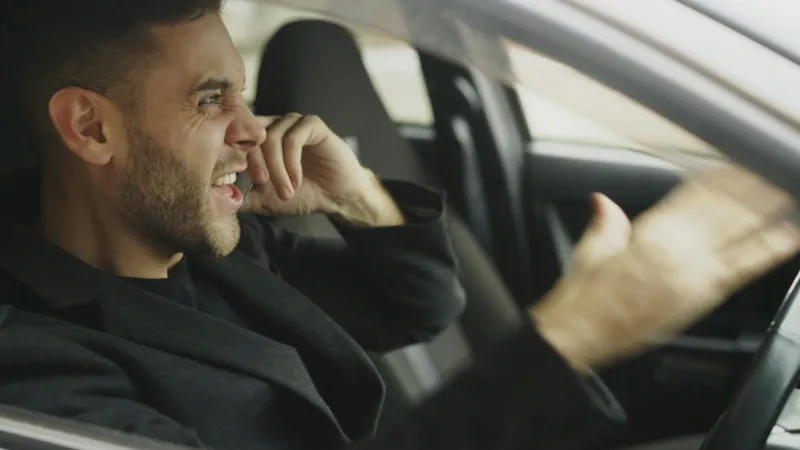
Your emotional responses to other drivers exist on a carefully calibrated spectrum. A slight traffic inconvenience triggers mild tutting. A more serious driving infraction results in elaborate hand gestures and detailed verbal critiques of their driving abilities, family history, and life choices.
You develop a rich vocabulary of creative insults that you would never use in any other context. You become a poet of road rage, crafting beautifully articulated criticisms of strangers' driving techniques while maintaining perfect grammar and syntax.
The person in the car next to you has no idea that you've just delivered a fifteen-minute dissertation on their failure to understand basic traffic flow principles. They're probably listening to music and thinking about what to have for dinner, completely unaware that they've been tried and convicted by the mobile court of you.
The Amnesia Effect: Selective Memory for Personal Driving Incidents
You have perfect recall for every driving mistake you've witnessed other people make, but your memory becomes mysteriously foggy when it comes to your own driving adventures. That time you accidentally cut someone off? You were clearly in a blind spot situation that wasn't really your fault. That time you forgot to signal? The traffic pattern was obvious and signaling would have been redundant.
Your driving mistakes are always context-dependent and understandable. Everyone else's driving mistakes are character flaws that reveal deep truths about their moral fiber.
This selective amnesia allows you to maintain the belief that you are a superior driver surrounded by incompetent road users, despite statistical evidence suggesting that most people think they're above-average drivers.
The Return to Humanity: Parking and Personality Restoration
The moment you turn off your car engine, the personality transplant reverses. You're back to being a reasonable, empathetic human being who understands that everyone makes mistakes and most people are doing their best.
You walk into the grocery store and hold the door for the same person you were mentally prosecuting for their inadequate merge technique five minutes earlier. You smile at them. You might even make pleasant small talk about the weather.
Neither of you acknowledges the road rage trial that just concluded in your mobile courtroom. You're both back to being normal humans who understand social contracts and basic courtesy.
Until tomorrow morning, when you get back in your car and Dr. Jekyll transforms into Mr. Hyde once again, ready to deliver justice to the lawless wasteland of public roadways.
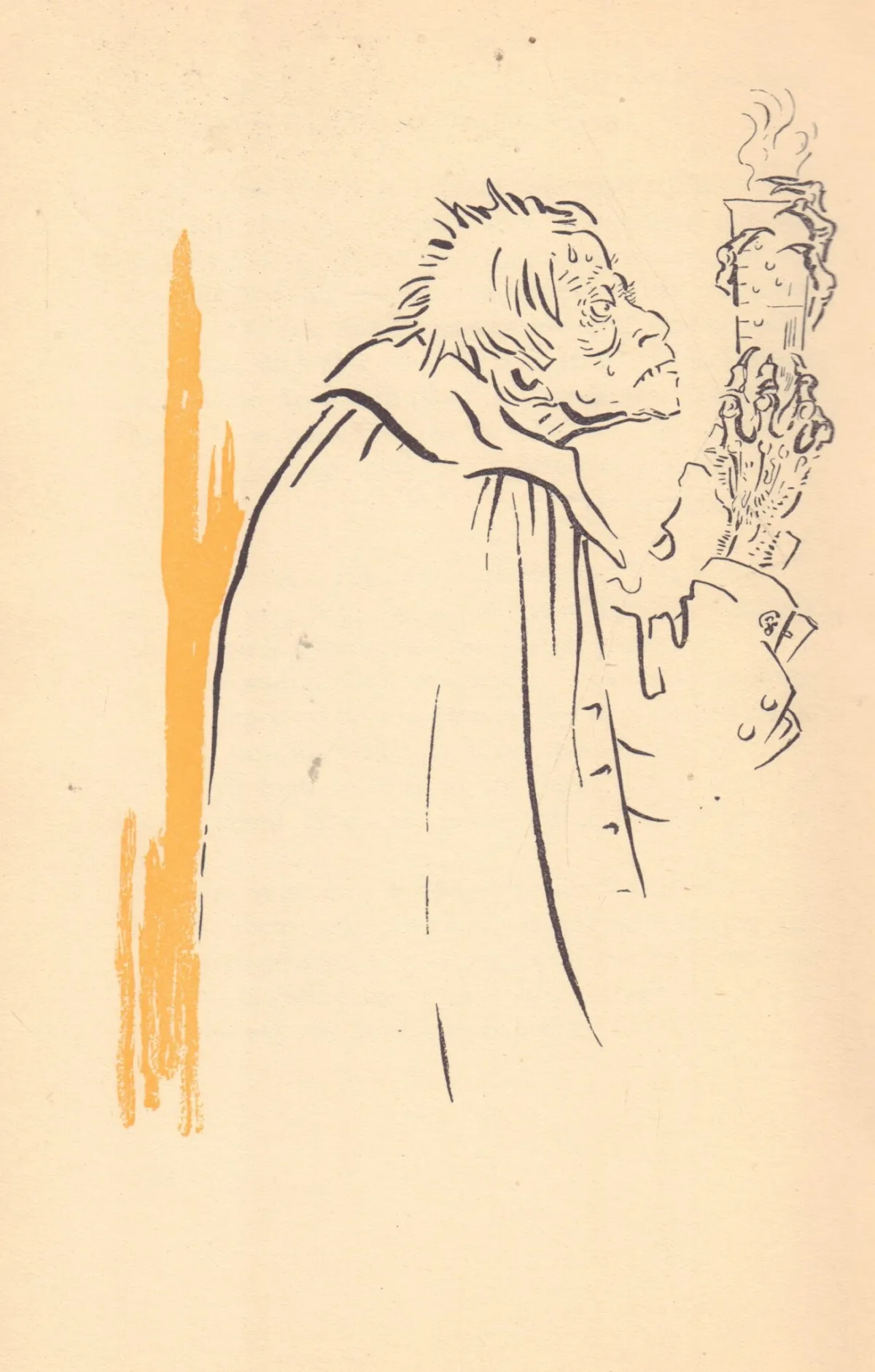 Photo: Mr. Hyde, via www.cultjones.com
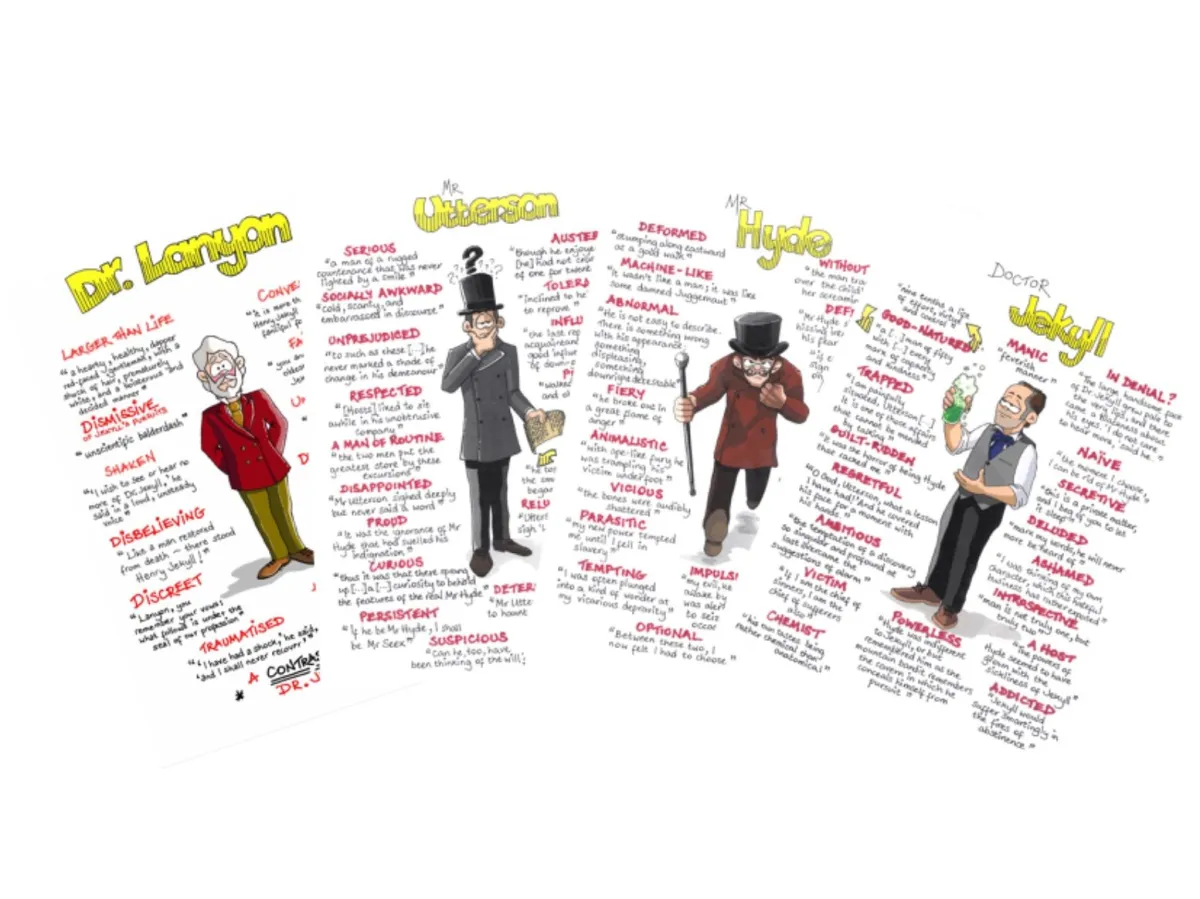 Photo: Dr. Jekyll, via d1e4pidl3fu268.cloudfront.net
Welcome to the split personality disorder that comes standard with every driver's license. Population: everyone who's ever operated a motor vehicle.